
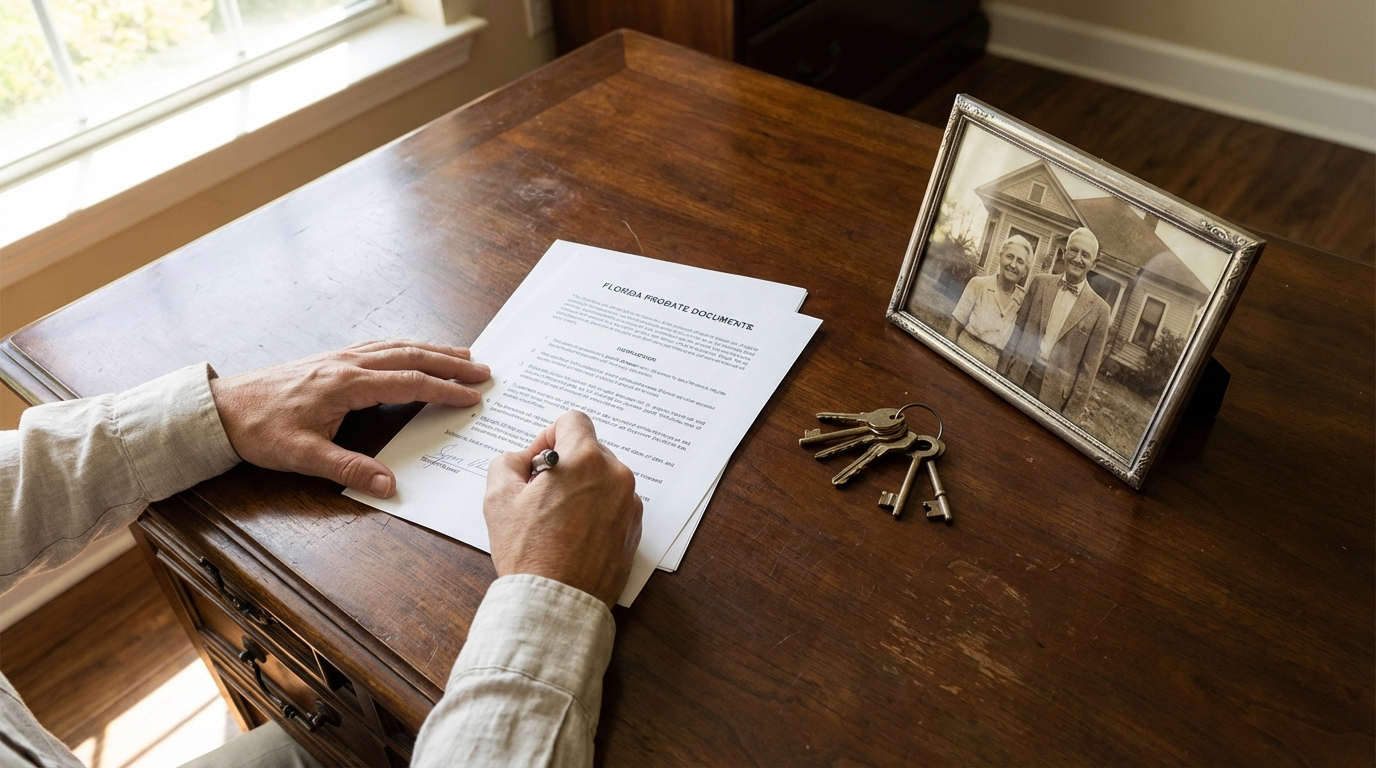
The Florida Probate Process Explained: A Guide for Tampa Heirs
Inheriting a property can be a bittersweet experience. While it represents a significant asset from a loved one, it often arrives during a time of grief and comes with a complex legal process known as probate. If you've recently inherited a house in Tampa, you might feel overwhelmed by the legal requirements, the costs of upkeep, and the responsibility of managing the property—especially if you live out of state.
We understand. This guide is designed to walk you through the Florida probate process in plain English, giving you clarity and confidence as you navigate the steps ahead. We'll break down the key terms, timelines, and challenges specific to heirs in Hillsborough County.
What Exactly is Probate?
At its core, probate is the court-supervised process of validating a deceased person's will (if one exists), paying off their debts, and legally transferring their assets to the rightful heirs. In Florida, when someone passes away owning real estate in their name, that property must go through probate before the title can be passed to you.
Think of it as an official, legal accounting of the deceased's estate. The Hillsborough County Clerk of Circuit Court oversees this process, ensuring everything is handled according to Florida law. Its main goals are to:
- Prove the validity of the will.
- Appoint a Personal Representative (or Executor) to manage the estate.
- Gather and inventory all assets, including the Tampa property.
- Pay any outstanding debts, taxes, and expenses.
- Distribute the remaining assets to the beneficiaries.
Types of Probate Administration in Florida
Not all probate cases are created equal. Florida law provides different types of administration based on the value of the estate and how long the person has been deceased. Understanding which one applies to your situation is a crucial first step.
1. Formal Administration
This is the most common form of probate, especially when real estate is involved. It is required for estates valued at more than $75,000. It's a structured process that involves appointing a Personal Representative, notifying creditors, and detailed court oversight. For an inherited home in neighborhoods like Hyde Park, Carrollwood, or even a smaller bungalow in Seminole Heights, Formal Administration is almost always the required path.
2. Summary Administration
This is a simplified, faster version of probate. It's available if the estate's value is $75,000 or less (not including the value of the primary residence in some cases), or if the decedent has been deceased for more than two years. This process skips the appointment of a Personal Representative and can often be completed in just a few months.
3. Disposition Without Administration
This is the simplest process, but it rarely applies to estates with real estate. It's used only for very small estates to reimburse the person who paid for the final expenses, such as funeral costs.
The Formal Probate Process in Tampa: A Step-by-Step Walkthrough
Since most inherited properties require it, let’s walk through the steps of Formal Administration in Hillsborough County.
A Quick Note: Florida probate law is complex, and it's highly recommended to consult with a qualified probate attorney. This guide is for informational purposes only.
- File the Petition: An attorney files a Petition for Administration with the Hillsborough County Circuit Court in downtown Tampa to officially open the probate case.
- Appoint a Personal Representative: The court appoints a Personal Representative (PR), often the person named in the will. The court issues a document called “Letters of Administration,” which gives the PR legal authority to act on behalf of the estate.
- Notify Interested Parties: The PR must formally notify all beneficiaries and known creditors that the probate process has begun. A “Notice to Creditors” is also published in a local newspaper to alert any unknown creditors.
- Inventory the Assets: The PR has 60 days to create a detailed inventory of all estate assets, including the inherited property. This usually involves getting the house professionally appraised to determine its fair market value.
- Manage and Settle Debts: The PR uses estate funds to pay for administration costs, outstanding debts, and taxes. This is a critical step before any assets can be distributed to heirs.
- Address the Property: The heirs must decide what to do with the house. Options include one heir buying out the others, renting it out, or selling it. The PR has the authority to sell the property, but all beneficiaries usually need to be in agreement.
- Final Distribution and Closing: Once all debts are paid and assets are managed, the PR files a final accounting with the court. Upon approval, the remaining assets—including the proceeds from a home sale or the property title itself—are distributed to the heirs, and the estate is formally closed.
Common Hurdles When Inheriting a Tampa Home
The legal process is just one part of the equation. Heirs often face practical challenges that add stress and financial strain:
- Property Condition: The house may be outdated or in need of significant repairs. Managing renovations from afar or funding them out-of-pocket can be a major burden.
- Ongoing Costs: Even a vacant house accrues expenses: property taxes, insurance, utilities, HOA fees, and basic lawn care can add up to thousands of dollars while the estate is in probate.
- Family Disagreements: Siblings or other heirs may have different ideas about what to do with the property, leading to delays and strained relationships.
- The Traditional Sales Process: Listing with a realtor means cleaning out the house, making repairs, staging, holding open houses, and waiting for a qualified buyer—a process that can add months to an already lengthy probate timeline.
A Simpler Path Forward
Navigating the Florida probate process is a significant undertaking, but you don't have to do it alone. Understanding these steps is the first move toward taking control of the situation and making the best decision for you and your family.
If the thought of managing repairs, paying ongoing bills, and dealing with the complexities of a traditional home sale feels like too much, please know there are other options. At LPT Realty, we specialize in helping heirs by providing a straightforward, as-is cash offer for inherited properties in Tampa.
This can provide the estate with immediate funds to settle debts and allows you to bypass the stress of repairs, listings, and showings. You can close on your timeline, simplifying the probate process and allowing you to focus on what matters most. If you'd like to learn more about how it works, feel free to reach out for a no-obligation chat. We're here to help.