
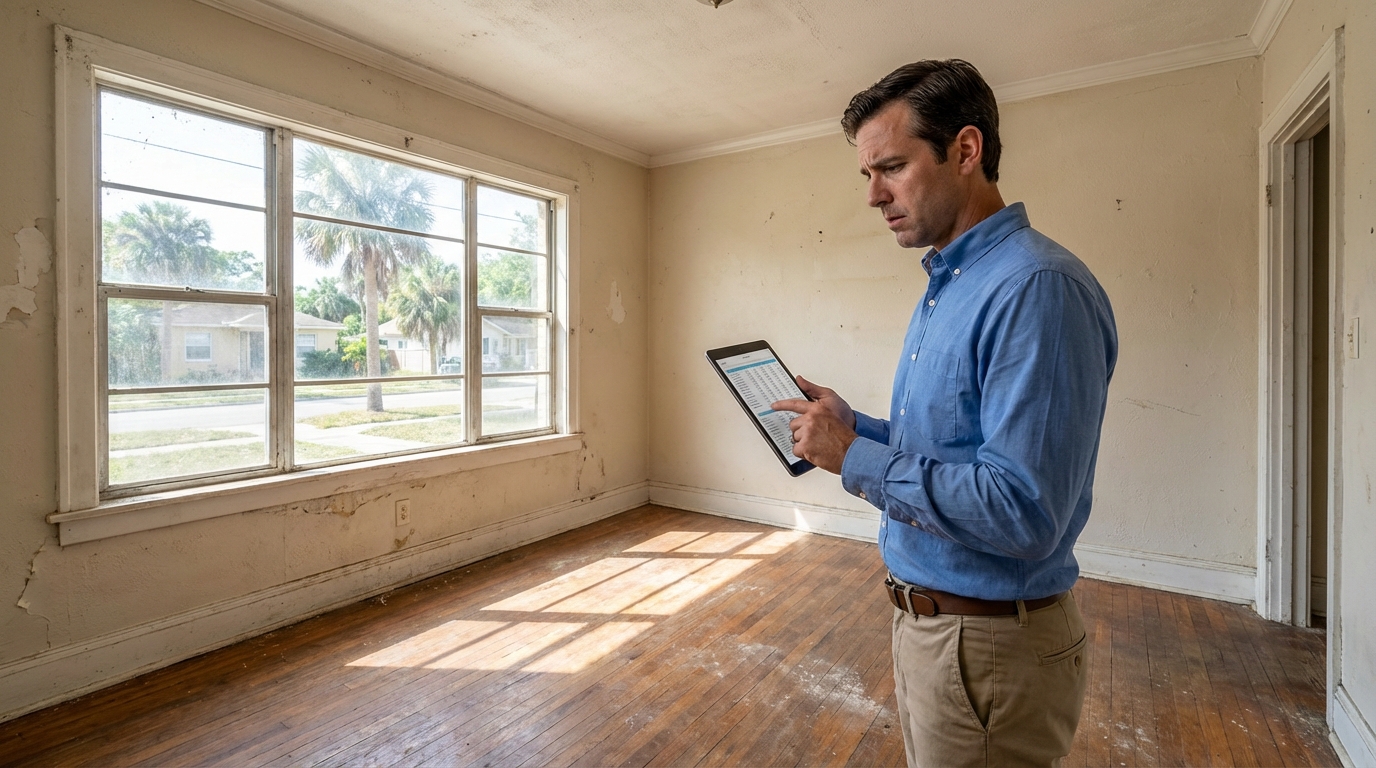
The True Cost of Holding a Vacant Tampa Rental Property: A 2026 Analysis
The dream of owning a Tampa investment property is powerful. You imagine collecting rent while your asset appreciates, building wealth with sunshine and palm trees as your backdrop. But for many landlords, the reality can turn into a nightmare when one word enters the equation: vacancy. A vacant rental property doesn't just stop generating income; it actively starts draining your bank account. And in the unique 2026 Tampa market, those costs are higher than ever.
If you're a landlord tired of the tenant turnover cycle, dealing with repairs from afar, or simply watching a property sit empty, you know the frustration. This isn't just about lost rent. It's a cascade of expenses, both obvious and hidden, that can quickly spiral. Let's break down the true cost of holding onto that empty house or condo in Tampa.
The Obvious Costs: The Financial Bleeding You Can See
These are the expenses you're painfully aware of every month your property sits empty.
1. Lost Rent
This is the big one. With average rents for a 3-bedroom home in neighborhoods like Carrollwood or Brandon hovering around $2,400, every month of vacancy is a direct $2,400 loss of potential income. Two or three months of vacancy can wipe out an entire year's worth of profit.
2. Core Operating Expenses
The bills don't stop just because the tenant is gone. You're still on the hook for:
- Mortgage: Your principal and interest payments are due every month, regardless of occupancy.
- Utilities: You can't just shut everything off. In Tampa's humidity, the air conditioning needs to run at a baseline level (around 78-80 degrees) to prevent mold growth, which can lead to thousands in remediation costs. You'll also have base charges for water and electricity.
- HOA Fees: If your property is in a community like Westchase or New Tampa, those monthly or quarterly HOA fees are non-negotiable.
The Hidden Costs: The Financial Leaks That Sink Ships
These are the insidious costs that many landlords underestimate until they're deep in the red. The 2026 Florida market has amplified these expenses significantly.
A vacant property isn't just a neutral asset; it's an active liability with unique and often higher costs.
1. Skyrocketing Insurance Premiums
This is a massive issue in Florida. A standard landlord policy may not even cover a property that's been vacant for more than 30-60 days. You'll likely need a separate, more expensive 'Vacant Dwelling Policy.' Insurers see empty homes as high-risk for vandalism, water damage that goes unnoticed, and break-ins. Expect to pay 50-100% more for less coverage on a vacant home policy.
2. Unforgiving Property Taxes
Hillsborough County property taxes are a significant annual expense. When rent is flowing, it's part of the budget. When the property is empty, it's a huge cash outlay that you have to cover out-of-pocket, with zero offsetting income.
3. Constant Maintenance and Upkeep
An empty property still needs care. You have to pay for landscaping to avoid city code violations, regular pest control to prevent infestations, and preventative maintenance. A small leak that a tenant would report immediately can turn into a catastrophic flood in an empty house, leading to major repair bills.
4. The Risk of Vandalism and Squatters
An obviously vacant home, from Seminole Heights to Town 'n' Country, is a magnet for trouble. Broken windows, stolen copper piping, and graffiti are common. Worse yet is the nightmare of discovering squatters, which can lead to a lengthy and expensive legal eviction process.
Hypothetical Monthly Loss for a Vacant Tampa Rental in 2026
Let's put some real numbers to this. Consider a typical 3/2 single-family home in Tampa:
- Lost Rent: +$2,400
- Mortgage (P&I): +$1,800
- Property Taxes (monthly avg): +$450
- Vacant Property Insurance (monthly avg): +$500
- Utilities (basic A/C, water): +$150
- Landscaping: +$120
- Total Estimated Monthly Loss: $5,420
In just three months, you could be out over $16,000, with no guarantee of finding a qualified tenant to stop the bleeding. This doesn't even include the costs to turn the property over (painting, cleaning, repairs) or marketing fees.
Stop the Bleeding: A Simpler Alternative
As a savvy investor, there comes a point where you have to analyze a non-performing asset and make a strategic decision. Continuing to pour money into a vacant property isn't a viable strategy. Listing it on the market with a realtor means more waiting, more costs for repairs and commissions, and dealing with showings while the monthly losses continue to mount.
There is another path. Selling your Tampa rental for cash offers a clean, fast exit strategy.
- Immediate Relief: A cash sale can close in as little as 7-14 days. You can stop the financial drain next week, not next quarter.
- Sell As-Is: Forget about repairs, renovations, or even cleaning out the property. Cash buyers purchase properties in their current condition.
- Certainty of Sale: There are no financing contingencies, no appraisals to worry about, and no deals falling through at the last minute.
- No Commissions or Fees: A direct sale means no 6% realtor commission, and we typically cover all closing costs. The offer you accept is the cash you get.
Owning rental properties in Tampa can be rewarding, but a vacant one can quickly become a financial and emotional burden. It's a business decision, and sometimes the smartest move is to liquidate the asset, free up your capital, and move on to your next profitable venture.
If the costs we've outlined feel all too familiar, and you're curious about a straightforward way to sell your investment property, we're here to talk. LPT Realty provides fair, no-obligation cash offers to help you understand all your options. It could be the fastest way to turn a draining liability back into liquid capital.